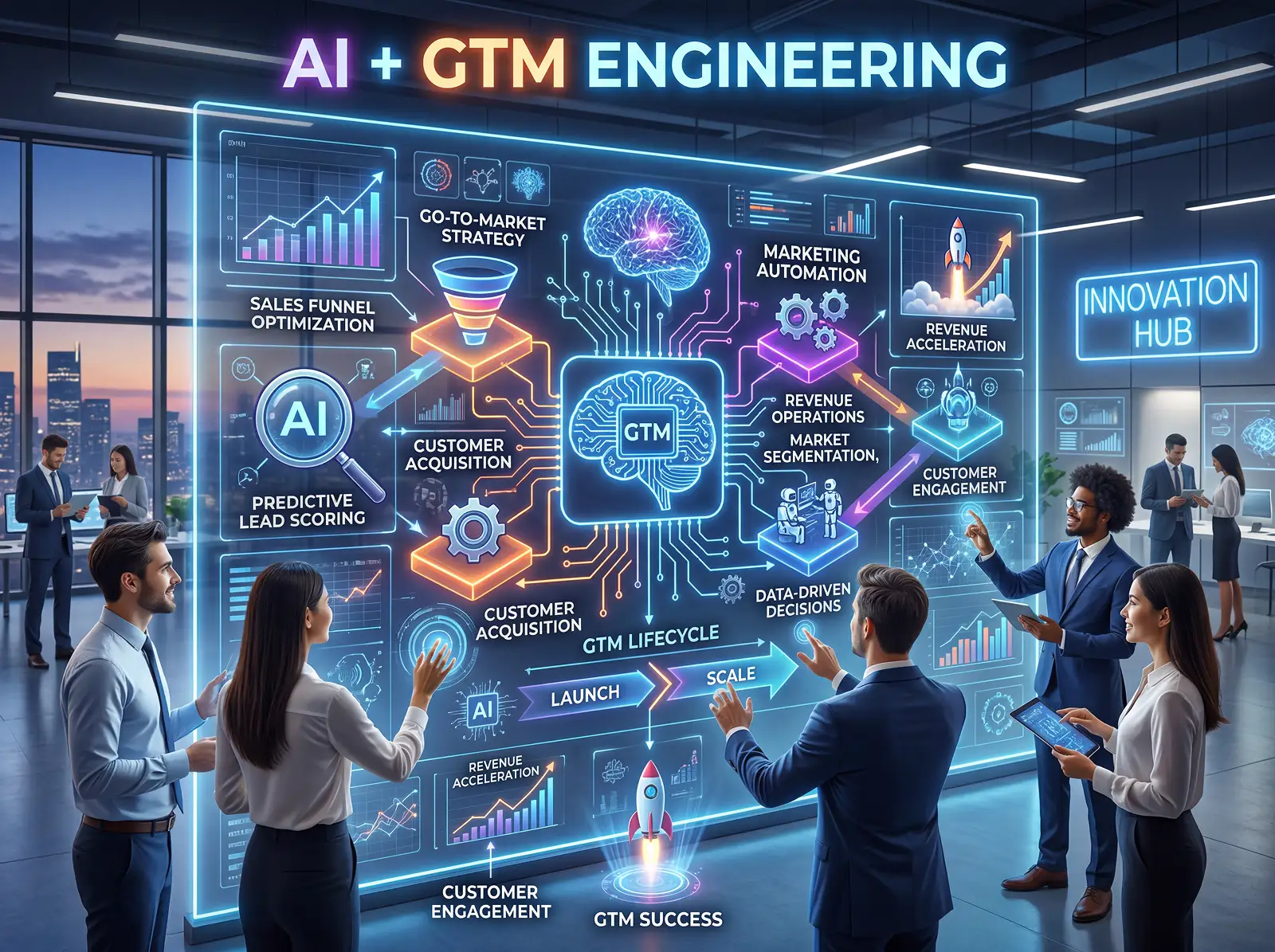
Two stages at PowerToHR - Global Summit 4 in Pristina, two very different conversations, one underlying thread.
Both sessions were about the gap between what leadership teams talk about and what actually shapes outcomes. The first was on AI. The second was on culture under acquisition. Different rooms, different framings, same observation: the work that matters is usually the work most teams skip.
Here is what I argued from each stage.
Stage One: AI by Design, Not as a Side Feature
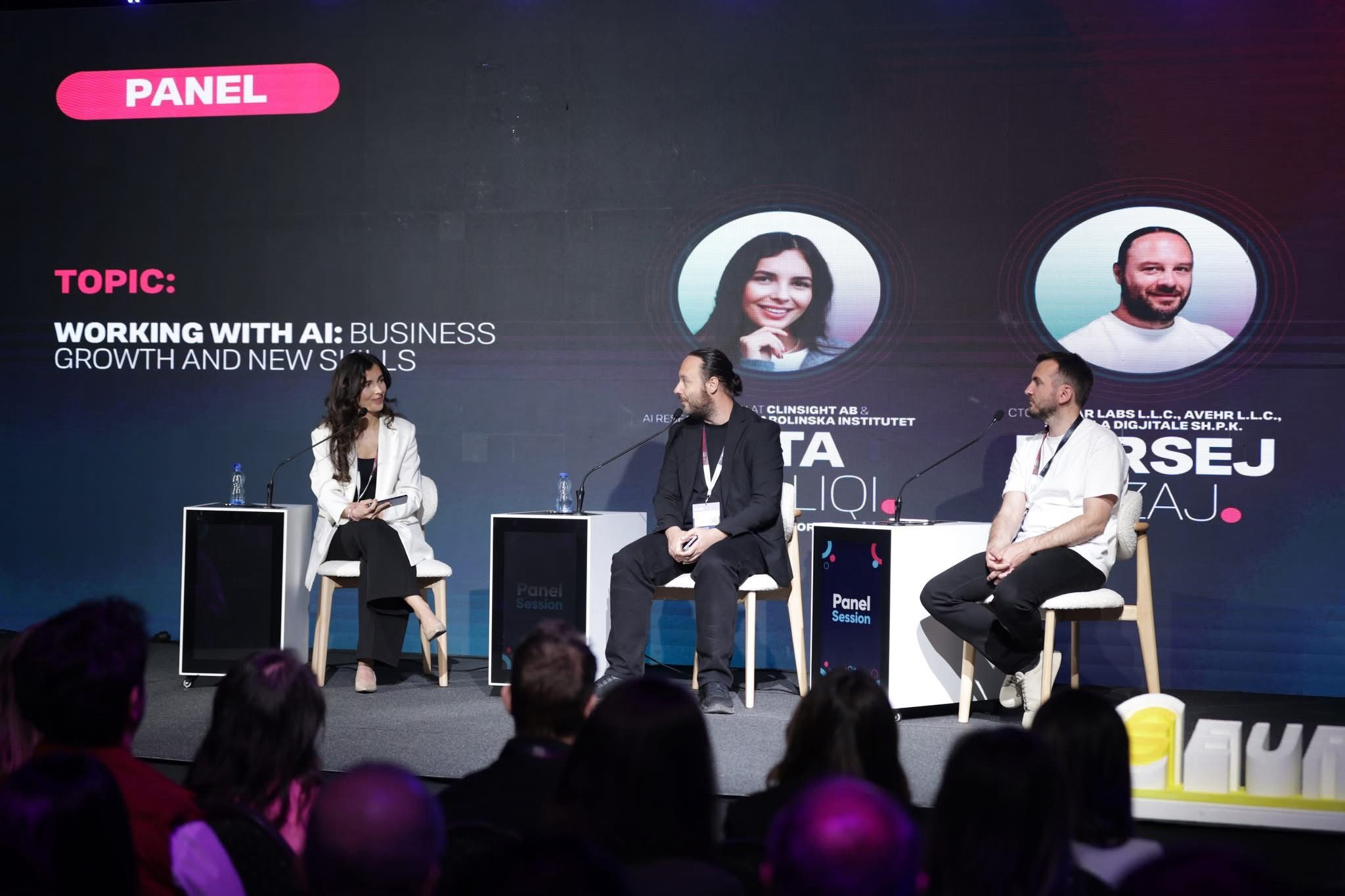
The first session was the panel "Working with AI: Business Growth and New Skills," hosted by Nita Mulliqi, PhD (Head of AI at Clinikally), alongside Darsej Rizaj (CTO, Star Labs).
My core argument was short: AI doesn't grow your business by being added to it. It grows it by being designed into it.
Most companies are running AI as a side feature on top of broken processes. A chatbot bolted onto a support flow that was already slow. A copilot embedded in a CRM that nobody updates. A generator producing content for a funnel that doesn't convert. The tool is new; the process underneath it is the same one that was underperforming a year ago.
The teams pulling ahead are doing the harder thing. They are not asking "where can we plug AI into this?" They are asking "if we started this process today with these tools, what would it look like?"
Two different questions. They produce two different companies.
The integration question is mostly a procurement exercise. The redesign question is an operating-model decision, and it has to come from leadership, not from a tools committee.
Stage Two: What Acquisitions Do to Culture
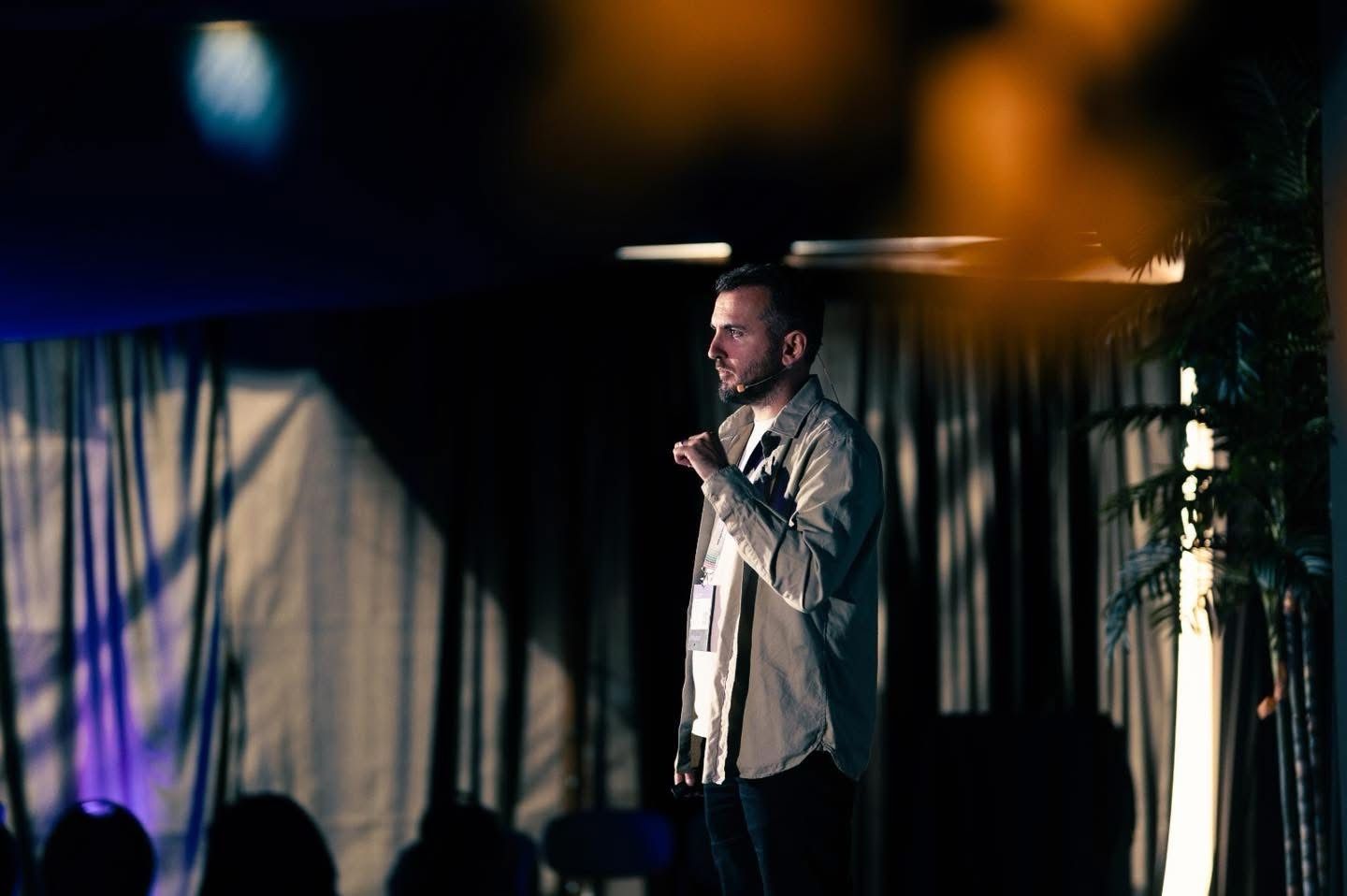
The second session was a keynote on something more personal: what happens to company culture when you get acquired.
I have been on that ride three times in three years.
- 2021 - sold half of FRAKTON to Melon
- 2022 - Kin + Carta bought us both
- 2024 - Valtech acquired Kin + Carta
The thesis I took to the room:
Acquisitions don't preserve culture. They expose it.
Whatever was held together by founder energy and unwritten rules gets stress-tested the moment a deck lands on someone else's desk in another country. The things you never had to articulate suddenly need to be operationalised, or they quietly disappear. The integration starts the day the deal is signed, not the day the playbook is approved.
The First 90 Days Are Louder Than the Next Three Years
This is the part most leadership teams underestimate.
If leadership does not tell the story in the first 90 days, the office kitchen will. And the kitchen version is always worse. Anxiety fills any silence. Rumour fills any gap. By the time the "official narrative" lands at month six, the team has already decided what is happening to them.
You do not get to control whether the story gets told. Only whether you are the one telling it.
The Four Versions of a Founder
Founders rarely make it through three acquisitions. The reason is not fatigue. The role itself changes shape underneath you, and most people only carry two of the four versions:
- Setting the culture. You are the person who defines what "we" means inside the company.
- Defending it. You become the person protecting it from outside pressure as the company scales.
- Translating it. You become the person explaining it to leaders who were not in the room when it formed.
- Releasing it. You become the person handing it off to owners who will change it.
The first two are the founder modes most people identify with. The second two are where most founders quietly check out. Knowing which two you can sustain is the real self-awareness question, not whether you can "stay through integration."
PowerToHR's Level
One last thing worth saying out loud.
The KosovaJob team put together something that genuinely belongs in the same conversation as conferences in London, Berlin, or Amsterdam. Kosovo is not catching up to Western event standards anymore. In a few specific ways, PowerToHR 4 was sharper than events I have sat through in much bigger capitals.
That is a shift worth noticing, especially for operators in the region. The platform is here. The audience is here. The standard is moving.
Two Sessions, Two Arguments, One Underlying Claim
Most organisations do not fail at the thing they think they are failing at. They fail at the upstream work nobody schedules: redesigning the process before plugging in the tool, telling the integration story before the kitchen does, knowing which version of yourself you can sustain as the company changes hands.
That upstream work is unglamorous and usually invisible until it is not there. Both stages were really about the same thing: do that work earlier than you think you need to.